Телекоммуникационные вышки нуждаются Стабильная мощность чтобы сохранить Голосовые, данные и сетевые услуги Бег.
Это сложнее в удалённых местах, где может быть доступ к сетке слабый, нестабильный, дорогой или отсутствующий. В таких местах Внесетевой инвертор Для телекоммуникационных башен часто входит в состав энергосистемы.
Для операторов телекоммуникаций, системных интеграторов и разработчиков инфраструктуры задача заключается не только в производстве электроэнергии. Это поддержание работы сайта с оборудованием, которое работает в полевых условиях, под Изменения нагрузок и погодных условий.
Вот основные моменты этой статьи:
01
Почему удалённые объекты нуждаются в независимом электроснабжении
02
Как инвертор поддерживает нагрузки на переменный ток
03
Какие характеристики важнее всего
ПОЧЕМУ
Почему телекоммуникационные вышки нуждаются в автономном электроснабжении
01
Телекоммуникационные вышки часто строятся там, где находится общественная сеть ограниченный или ненадёжный. Сельские участки, горы, пустыни, острова, приграничные районы и промышленные коридоры создают проблемы с электроснабжением.
Даже когда есть электроэнергия в сети, Перепады напряжения, отключения и высокие затраты на электроэнергию может повлиять на сервис.
Система питания телекоммуникационных башен должна поддерживать
• Непрерывная работа с минимальным простоем
• Стабильный выход для чувствительного коммуникационного оборудования
• Эффективное использование солнечной и аккумуляторной системы хранения
• Резервное питание в ночное время или плохая погода
• Снижение эксплуатационных затрат на протяжении всего срока службы площадки
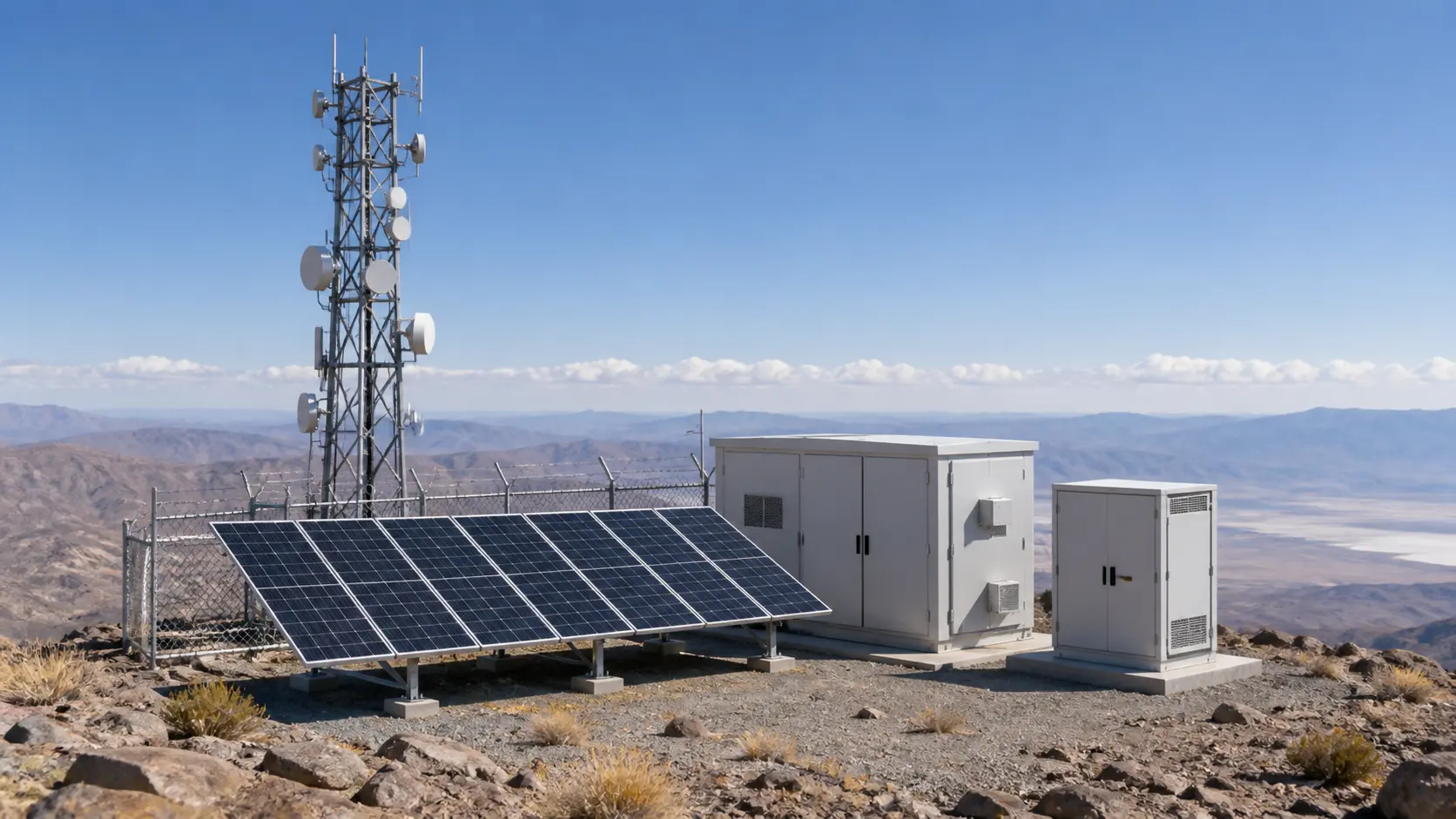
— Удалённая телекоммуникационная инфраструктура с солнечной батареей, корпусом аккумуляторов и инверторным шкафом для автономной работы 1600x900
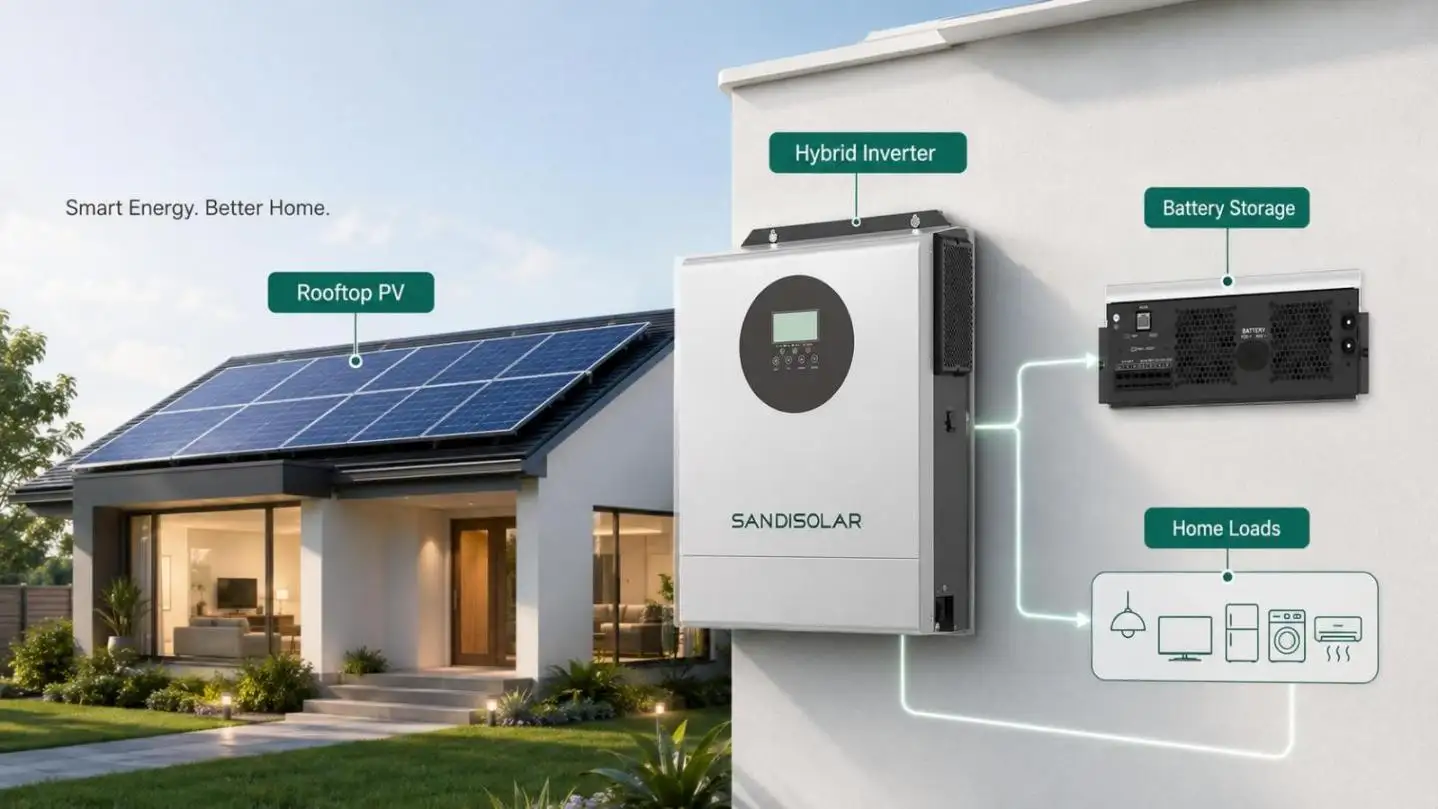
Инвертор — не единственное устройство питания в системе, но он всё равно важен. Он поддерживает переменные нагрузки, такие как Приборы мониторинга, освещение, кондиционирование воздуха в укрытиях, системы безопасности и инструменты технического обслуживания.
В гибридных системах это также работает с Солнечная генерация, зарядка аккумуляторов и резервное питание генераторов.
ФУНКЦИЯ
Что делает внесетевой инвертор в телекоммуникационной башне
02
Внесеточный инвертор преобразует Питание постоянного тока в пригодное переменное питание Без зависимости от электросети.
В телекоммуникационных башнях это важно, потому что многие удалённые системы начинаются с батарейки, солнечные панели или выпрямленное питание постоянного тока.
Хорошо спроектированная инверторная банка
• Преобразовать питание батареи в чистый выход переменного тока
• Поддержка телекоммуникационных укрытий и вспомогательного оборудования
• Работа с солнечными контроллерами заряда и аккумуляторными банками
• Поддерживайте стабильность выхода во время смены нагрузки
• Улучшение управления энергией в гибридных энергетических системах
На практике инвертор размещается внутри более крупной автономной системы питания. Цель — не просто недолго питать башню. Главное — построить систему, которая стабильно работает день за днём Реальные условия площадки.
Для телекоммуникационных площадок качество выхода имеет значение. Чувствительное оборудование может быть затронуто плохое качество формы волны, нестабильное напряжение или слабое управление перенапряжением.
Вот почему многие операторы предпочитают Чисто синусоидальный внесеточный инвертор для электросистем телекоммуникационных башек.
ЧЕК-ЛИСТ
Ключевые требования для телекоммуникационных вышок
03
Не каждый инвертор подходит для телекоммуникационной инфраструктуры. Квартира, работающая в доме или небольшом коммерческом помещении, может быть недостаточно для строительства башни.
Чистый синусоидальный выход
Телекоммуникационное оборудование и вспомогательные системы работают лучше с чистый, стабильный переменный ток. Чистый выход синусоиды снижает риск помех, перегрева или раннего износа.
Высокая эффективность
Удалённые объекты часто зависят от Ограниченная генерация солнечной энергии и накопленная энергия от батареи. Более высокая эффективность преобразования помогает экономить энергию и продлить время работы.
Широкий диапазон входов постоянного тока
Напряжение аккумулятора меняется в зависимости от состояния заряда и погодных условий. Широкий диапазон входов постоянного тока позволяет инвертору работать более надёжно.
Возможность усиления
Некоторые нагрузки на площадке, особенно кондиционирование воздуха, насосы или оборудование для запуска, требуют коротких импульсов высокой мощности. Инвертор должен справляться с ними без лишних срабатываний.
Удалённый мониторинг
Операторам связи нужна видимость. Удалённый мониторинг, отчетность тревог и отслеживание состояния помогают командам выявлять неисправности до того, как они превратятся в отключения.
Надёжная термическая конструкция
Телекоммуникационные вышки могут устанавливаться в жаркой, влажной, пыльной или холодной среде. Инвертор должен быть построен для стабильной работы в Суровые условия.
Совместимость батарей
Инвертор должен работать с химическим составом батареи, используемым на объекте, независимо от того, является ли это Литий, свинцово-кислотный или другой вариант.
СОЛНЕЧНЫЙ
Интеграция солнечных панелей и аккумуляторов для телекоммуникационных башен
04
Многие телекоммуникационные проекты теперь объединяются солнечные фотоэлектрические системы, аккумуляторы и инверторные системы чтобы снизить зависимость от дизельного топлива. Это особенно полезно на удалённых участках с высокими расходами на топливо или трудным доступом.
Типичная автономная архитектура телекоммуникаций может включать
• Солнечные панели для дневного производства энергии
• MPPT или контроллеры заряда для оптимизации зарядки
• Батарейный банк для ночного и резервного использования
• Внесеточный инвертор для преобразования в переменный ток
• Резервное питание генератора на длительные периоды низкого солнца
• Система мониторинга для удалённого контроля
Главное преимущество — Гибкость. Солнечная энергия обслуживает дневный спрос, аккумуляторы покрывают ночные и периоды отключения, а инвертор обеспечивает стабильное питание переменного тока.
Эта модель также может сократить время работы генератора. Дизельные генераторы по-прежнему распространены в телекоммуникациях, но они связаны с расходами на транспортировку топлива, обслуживание, шум и выбросы. Система с солнечной батареей и инвертором может снизить эти нагрузки.
ПРИМЕНЕНИЕ
Где внесетевые инверторы добавляют наибольшую пользу
05
Внесетевой инвертор для телекоммуникационных башен наиболее ценен там, где Надёжность мощности влияет на качество обслуживания.
Сельские коммуникационные вышки
Удалённые сообщества нуждаются в мобильном покрытии, но доступ к сети может быть слабым. Автономные системы помогают поддерживать обслуживание без полной зависимости от электроэнергии.
Микроволновые ретрансляторы
Эти сайты часто нуждаются в надежном вспомогательном питании для поддержания активных связей связи на большие расстояния.
Пограничная и охранная инфраструктура
Критически важные точки связи в зонах, чувствительных к безопасности, нуждаются в постоянной работе и меньше перебоев в обслуживании.
Островные и прибрежные объекты
Доставка топлива может быть дорогой и зависеть от погодных условий. Системы солнечных батарей снижают логистическое давление.
Места восстановления после катастроф
Временные или резервные телекоммуникационные установки часто зависят от самодостаточных энергетических систем, которые можно быстро развернуть.
ВЫБОР
Как выбрать подходящий автономный инвертор для телекоммуникационной башни
06
Выбор правильного инвертора — это не только вопрос мощности. Телекоммуникационные инженеры и покупатели должны обратить внимание на полный профиль нагрузки и операционную среду.
Сопоставьте профиль нагрузки
Начните с перечисления каждой нагрузки на переменный ток, который должен поддерживать инвертор. Включайте стабильные нагрузки, пиковые нагрузки и скачки при запуске. Рейтинг инвертора должен охватывать оба варианта Непрерывный и краткосрочный спрос.
Проверьте напряжение в системе
Проверьте, использует ли сайт 24V, 48V, 96V или другой архитектуры батарей. Инвертор должен соответствовать конструкции системы, чтобы избежать проблем с совместимостью и потери энергии.
Рассмотрим требования к выполнению
Если участок должен работать в долгие ночи или пасмурные периоды, размер батареи и эффективность инвертора становятся ещё важнее.
Оценка охраны окружающей среды
Для наружных или укрытиющих установок могут потребоваться прочные корпуса, пылестойкость, вентиляционная поддержка или контроль температуры.
Ищите функции мониторинга и управления
Удалённые сигнализации, коммуникационные интерфейсы и телеметрия могут сократить количество посещений объектов и улучшить планирование технического обслуживания.
План будущего расширения
Телекоммуникационные вышки часто растут со временем. Масштабируемая инверторная платформа облегчает добавление нагрузок, хранения или солнечных мощностей в будущем.
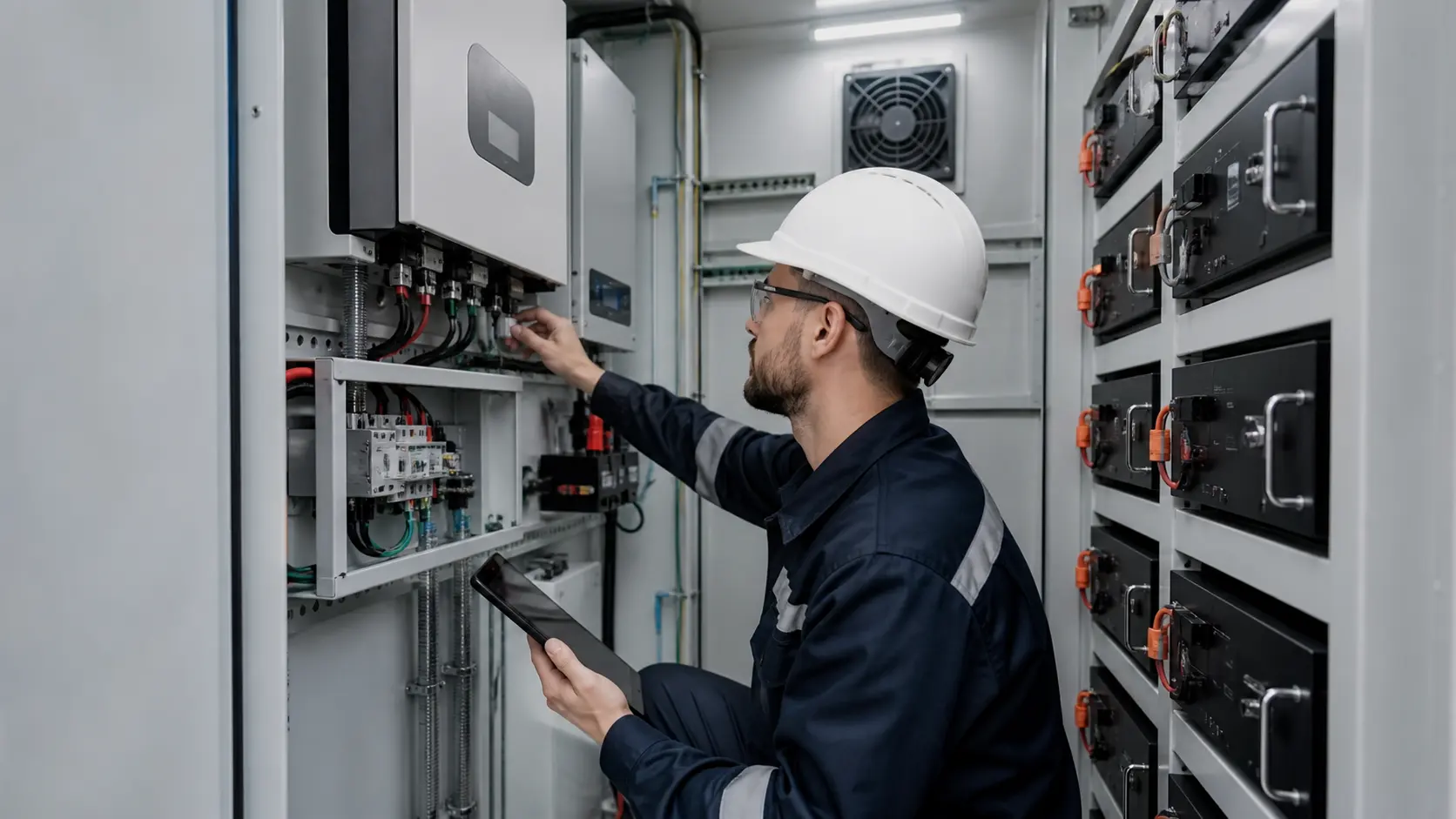
— Инженер, осматривающий инверторную панель управления и аккумуляторную систему внутри телекоммуникационного укрытия, профессиональная техническая среда, 1600x900
ПРЕИМУЩЕСТВА
Преимущества, выходящие за рамки резервного питания.
07
Хороший автономный инвертор делает больше, чем просто поддерживает свет включённым.
• Улучшенное время безработной работы - Стабильное питание означает меньшее количество перебоев в обслуживании, что помогает защитить клиентский опыт и репутацию сети.
• Снижение эксплуатационных затрат - Меньшее использование генератора со временем снижает расходы на топливо и обслуживание.
• Повышение энергетической устойчивости - Солнечные аккумуляторные системы с поддержкой инвертора менее подвержены проблемам с подачей топлива и отказам сети.
• Чистая эксплуатация площадки - Меньшее время работы генератора может снизить уровень шума и выбросов, что имеет значение в районах или в чувствительных условиях.
• Более простое удалённое управление - Функции мониторинга и контроля поддерживают профилактическое обслуживание и более быструю реакцию на неисправности.
ОШИБКИ
Распространённые ошибки проектирования, которых следует избегать
08
Даже качественный инвертор может работать хуже, если система спроектирована плохо.
• Уменьшение размера инвертора для загрузок при стартовом импульсе
• Игнорирование лимитов разряда батареи и расчётов по времени выполнения
• Использование низкокачественных кабелей или слабых защитных устройств
• Установка без надлежащего управления теплом
• Несоблюдение планирования удалённых оповещений и доступа к техническому обслуживанию
• Выбор оборудования, неподходящего для наружных или суровых условий
Надёжная телекоммуникационная система питания зависит от взаимодействия между инвертором, аккумуляторами, солнечным входом и проектированием нагрузки. Инвертор должен быть выбран как часть Полная архитектура, а не как отдельный продукт.
ПЛАНИРОВАНИЕ
Почему автономные инверторы подходят для планирования энергоснабжения телекоммуникаций
09
Телекоммуникационные сети расширяются в более труднодоступные для обслуживания места, в то время как операторы пытаются контролировать затраты и повысить устойчивость. Это делает автономные и гибридные энергетические системы более привлекательными.
• Более удалённое развертывание
• Рост спроса на энергоэффективную инфраструктуру
• Более широкое использование солнечных и аккумуляторных систем хранения
• Меньшая толерантность к простоям обслуживания
• Более сильное внимание к операционной устойчивости
По мере развития телекоммуникационной инфраструктуры энергосистемы должны быть проще для мониторинга и более эффективными в эксплуатации. Инвертор расположен на Центр этой установки.
ПОСТАВЩИК
Выбор поставщика для телекоммуникационных энергетических проектов
10
При выборе инвертора для проекта телекоммуникационной башни покупателям следует обращать внимание не только на технические характеристики продукта. Правильный поставщик должен понимать требования телекоммуникационных площадок, условия поля и интеграцию системы.
• Технические рекомендации по размеру
• Совместимость аккумуляторов и солнечных батарей
• Стабильное качество продукции
• OEM или проектная кастомизация
• Оперативная послепродажная поддержка
• Документация по установке и обслуживанию
Для покупателей телекоммуникаций долгосрочная надежность системы важнее самой низкой начальной цены.
FAQ
Часто задаваемые вопросы: автономный инвертор для телекоммуникационных вышок
11
Какого размера автономный инвертор необходим для телекоммуникационной башни?
Правильный размер зависит от общей нагрузки переменного тока, перенапряжения при запуске, напряжения аккумулятора и требований к времени выполнения. Расчёт загрузки сайта должен быть первым.
Может ли автономный инвертор работать с солнечными панелями и аккумуляторами?
Да. В большинстве гибридных телекоммуникационных систем инвертор работает вместе с солнечной зарядкой и аккумуляторным аккумулятором, обеспечивая стабильное переменное питание.
Является ли инвертор с чистой синусоидой лучше для телекоммуникаций?
Да. Чистый выход синусоиды обычно лучше подходит для чувствительного телекоммуникационного и вспомогательного оборудования, так как обеспечивает более чистое питание.
Может ли инвертор заменить генератор?
В некоторых местах да, особенно когда солнечная и аккумуляторная мощность рассчитана на полную нагрузку. Во многих проектах инвертор работает вместе с генератором в рамках стратегии резервного копирования.
В чём основное преимущество использования автономного инвертора на телекоммуникационной башне?
Главное преимущество — надёжная электроэнергия в местах, где сеть недоступна или нестабильна, с лучшей энергоэффективностью и меньшей зависимостью от топлива.
Автономный инвертор для телекоммуникационных башен — это не просто устройство для преобразования электроэнергии. Это ключевая часть Надёжная энергетическая система телекоммуникаций. При правильном выборе и интеграции он поддерживает стабильную работу, снижает зависимость от дизельного топлива и помогает поддерживать обслуживание в удалённых или сложных местах.
Для владельцев башен, EPC-команд и интеграторов телекоммуникационных систем наилучшие результаты достигаются при согласовании производительности инвертора с Состояние площадки, требования к нагрузке и планы расширения. При правильном дизайне автономная электроэнергия может поддерживать как повседневную работу, так и долгосрочное планирование.
Если телекоммуникационному проекту требуется надёжное автономное питание, инвертор следует выбирать с той же осторожностью, что и остальное оборудование на площадке.