Проектирование солнечных панелей C&I: как планировать коммерческие солнечные панели на крыше и на земле
От hqt
2026.10.30Связанные публикации
Проектирование солнечных панелей C&I: как планировать коммерческие солнечные панели на крыше и на земле
30 октября 2026 года
Что такое C&I Soener? Руководство по коммерческим и промышленным солнечным системам и примеры
29 октября 2026 года
Как стать дистрибьютором солнечных панелей SANDISOLAR в Польше и развивать свой бизнес по хранению
28 октября 2026 года
Space provided in the factory roof may be capable of hundreds of solar modules, but size of the project need not be based on the space available. The system must also meet the facility's electrical needs, building design, electrical distribution and electrical objectives.
The first step in the good C&I PV system design is focusing on the site and not the equipment catalog. Installing modules on a commercial rooftop or on a nearby land will influence the use, maintenance, construction and generation of the project.
Begin with the Facility's Load Profile
Electricity bills reflect the amount of energy a facility consumes, but they don't necessarily reflect when the energy is consumed. Interval load data can help to determine if the demand was greatest during the day, at night or at a specific manufacturing shift.
Compare that profile to what is expected in the solar generation. A day time factory might be able to utilise a considerable proportion of their solar electricity on the spot as it is generated. If the demand is low during the day in a warehouse, it might be worthwhile to consider export limits, future loads or storage before determining the amount of PV to install.
Document seasonal changes, weekend operations and planned for expansion of production. This information enables the design team to not size the system around a different month, or a load that could change soon.
Another part of the business should be to outline its goal. A project that involves on-site consumption might end up being designed differently to a project that also has back-up power or plans for future development.
Before making any changes, measure the Rooftop to determine its size.
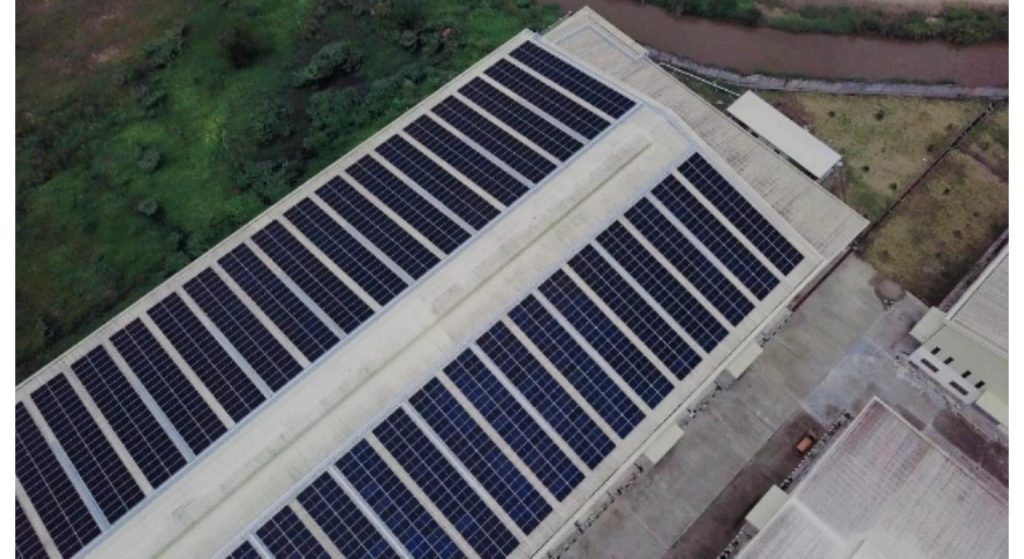
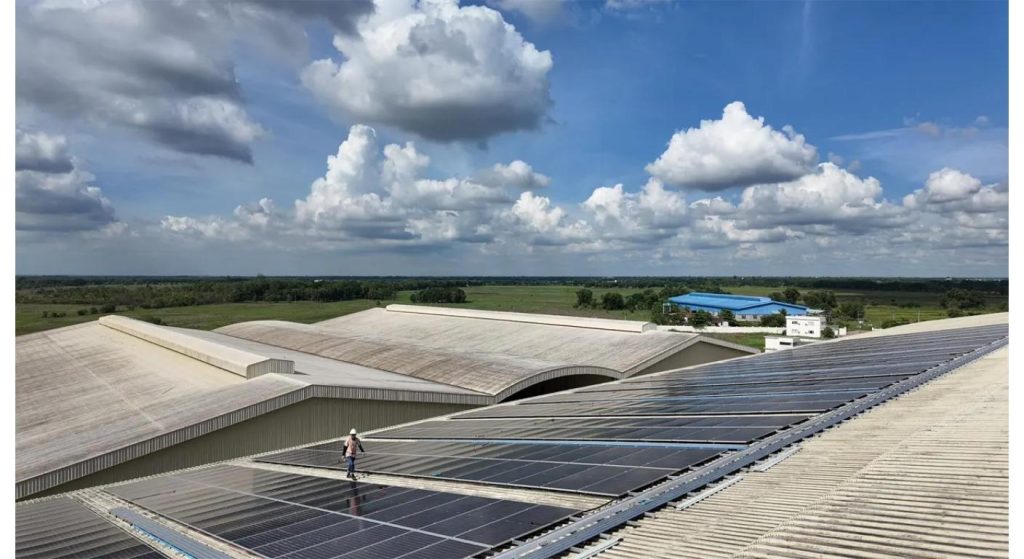
While there are structures for which the roof surface is available, not all roofs are appropriate for modules. Useable area may be limited by vents, skylights, equipment, shading and access routes required.
Inspect roof age, condition, roof surface material and roof maintenance plans, and drainage. The project schedule should include roof replacement, if there is a chance that it will be done in the near future, prior to installing modules.
Roof supports and the roof load must be determined by a qualified structural professional for the system that is being installed. The roof type and waterproofing specification for the project will also have to be taken into consideration with respect to mounting design.
Maintain adequate space for inspections and emergency access and equipment maintenance as required by applicable requirements. A layout should be assessed when the building is assessed, and should not be considered as the largest number of panels that will fit in a drawing.
Estimate land requirements for a GMS.
If the building has an appropriate roof or land area, it is possible to consider the installation of ground-mounted solar. The design team can evaluate the orientation, shading, terrain, access to the construction and maintenance, and drainage of the land.
Area is not as important as land use. Verify site boundaries, property rights/lease interest, future development plans and local restrictions prior to using the site.
The type of electrical connection point, also the distance of the array from the electrical connection point, also play a part in the design. It could be necessary to trench, protect and assess the electrical properties for longer cable routes.
While flexibility in array layout may be achieved by ground mounting, site work for the foundations, grading, fencing and access (when necessary) can be added. Examine these requirements and view the roof option instead of taking for granted that one will always be cheaper.
| Review Item | Rooftop Project | Ground-Mounted Project |
| Available area | ___________________ | ___________________ |
| Structural or ground assessment | ___________________ | ___________________ |
| Shading and orientation | ___________________ | ___________________ |
| Access for construction | ___________________ | ___________________ |
| Connection-point distance | ___________________ | ___________________ |
| Maintenance access | ___________________ | ___________________ |
| Future building or land use | ___________________ | ___________________ |
Ensure that the PV Array is matched to the Inverter.
Once the site and load review is completed, the project team may begin to draw up an initial PV capacity and PV inverter design. That decision is influenced by module orientation, expected generation, limits on the inverter input and how the facility uses electricity.
The DC capacity of the PV array and AC rating of the inverter are different. If the array is too large, there may be times when more power is generated than the inverter can handle (inverter clipping), but if the array is too small, more power is needed at some times.
Also voltage and current under expected operating conditions must be considered when designing the string. The specified range of the input voltage to the selected modules and inverter should be adhered to.
An overview on the equipment for commercial and industrial PV solutions is given by SANDISOLAR's commercial and industrial PV solution. Project specific engineering should be done for the final inverter and array configuration.
Outline the Grid Connection and Operating Strategy
For a "grid connected" project, the point of connection must be established and an understanding is necessary of how solar power will interact with building loads and the public electrical network.
The business may want to use the solar electricity for their business, to export the excess electricity or to restrict the export of excess electricity. Options available are subject to the local network, connection agreement, equipment and requirements.
Network operator should be involved with the project team in the planning phase. The system design and schedule could be impacted by protection, metering, control and approval requirements.
A traditional grid-tied PV system cannot be assumed to continue to provide power to the building during a power outage. The system architecture, compatibility of equipment and the definition of system isolation and load have to be in place to support backup operation.
To add Battery Storage Only for a Defined Role
When a business is considering moving solar energy to another time, using it to control selected loads or to support selected loads during an outage, battery storage can be a consideration.
There are two aspects to selection of storage, power and energy. The power rating is related to the speed of charge/discharge and the usable energy capacity is related to the duration it can supply a specific load under certain conditions.
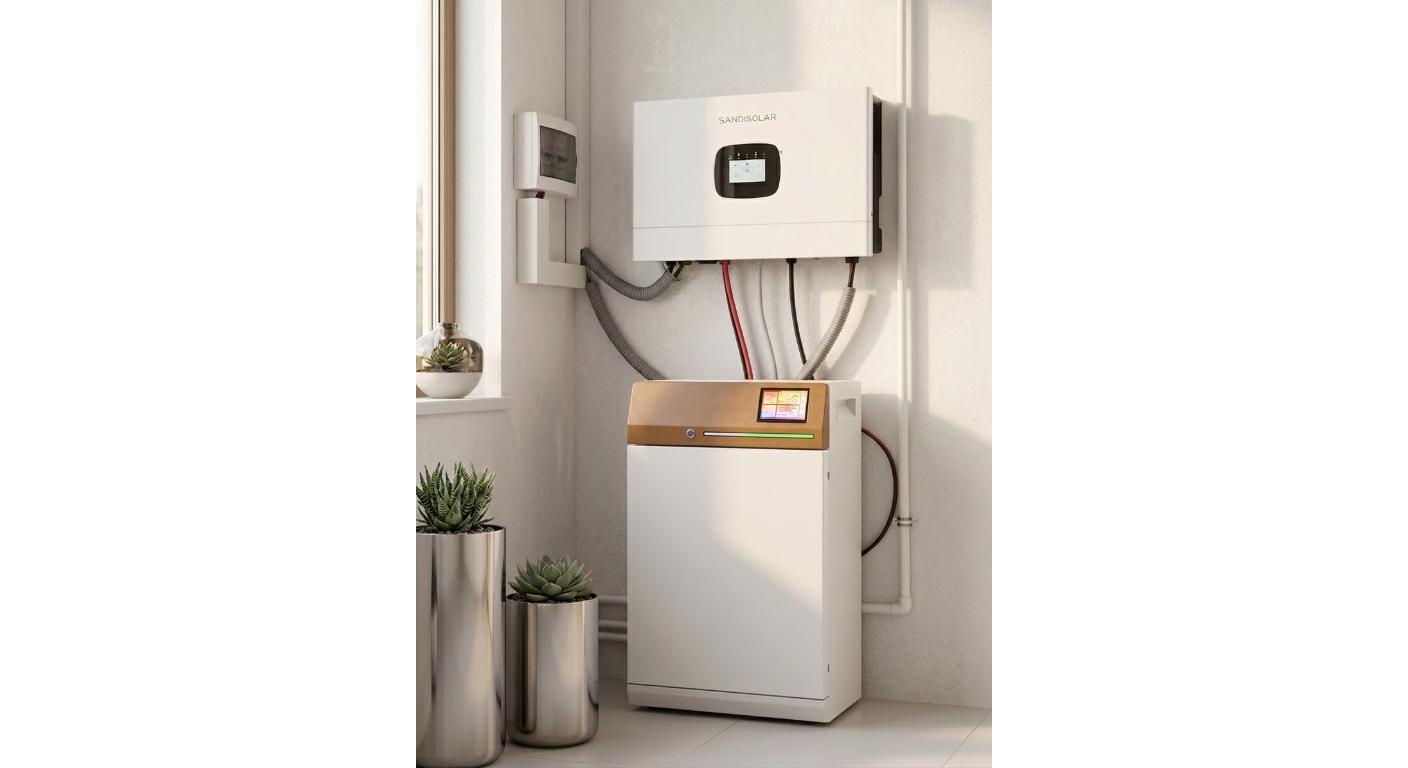
SANDISOLAR's C&I energy storage solutions are the SD ESS-225kWh and SD ESS-125kW/225kWh. Evaluation of these products may be available to determine appropriate commercial projects, depending on the electrical and operational demands of the site.
The location, controls, protection, access and relevant safety requirements should be taken into consideration early in the process of the storage. A battery addition will involve a change in scope, and need to be justified based on an operating need.
Look At Cost, Construction, and Maintenance in Together
The list of useful project budget contains more than modules and inverters. Structural verification, lifting, mounting and waterproofing may be necessary for rooftop work. Projects that are set in the ground will include foundations, civil work, drainage and longer cable runs.
The commercial Solar System cost guide by SANDISOLAR talks about the different cost structure of rooftop and Ground mounted projects. The actual cost will vary depending on the site and construction needs.
Allow for equipment clean up, inspection and replacement plans prior to approving layout. It is also recommended to monitor to allow the operator to determine system status and investigate changes in performance, if they occur.
Site conditions and losses should be considered in making a realistic production estimate. Modeling the savings and payback based on the expected project generation, consumption, tariff and total costs should be done instead of claiming it as a "guaranteed" outcome.
To understand how to configure a real project.
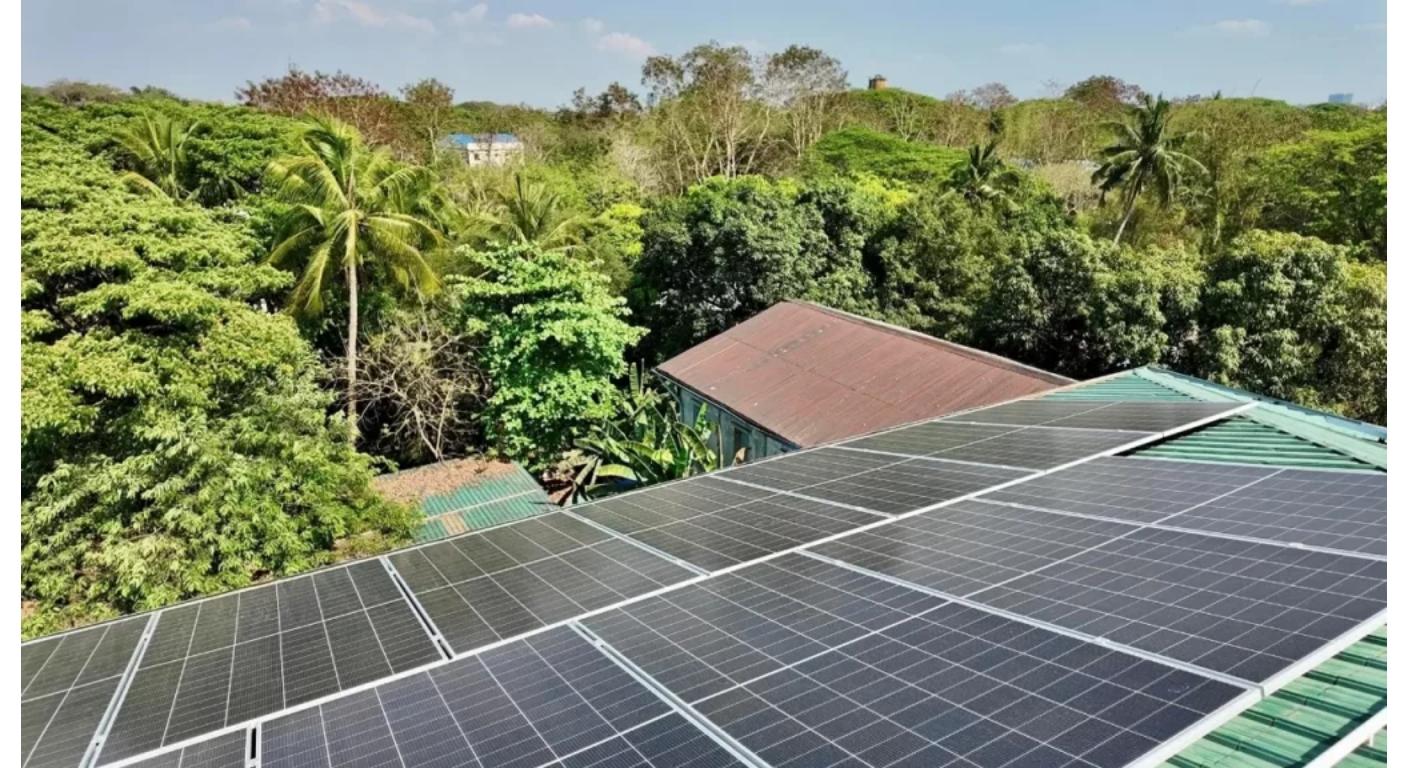
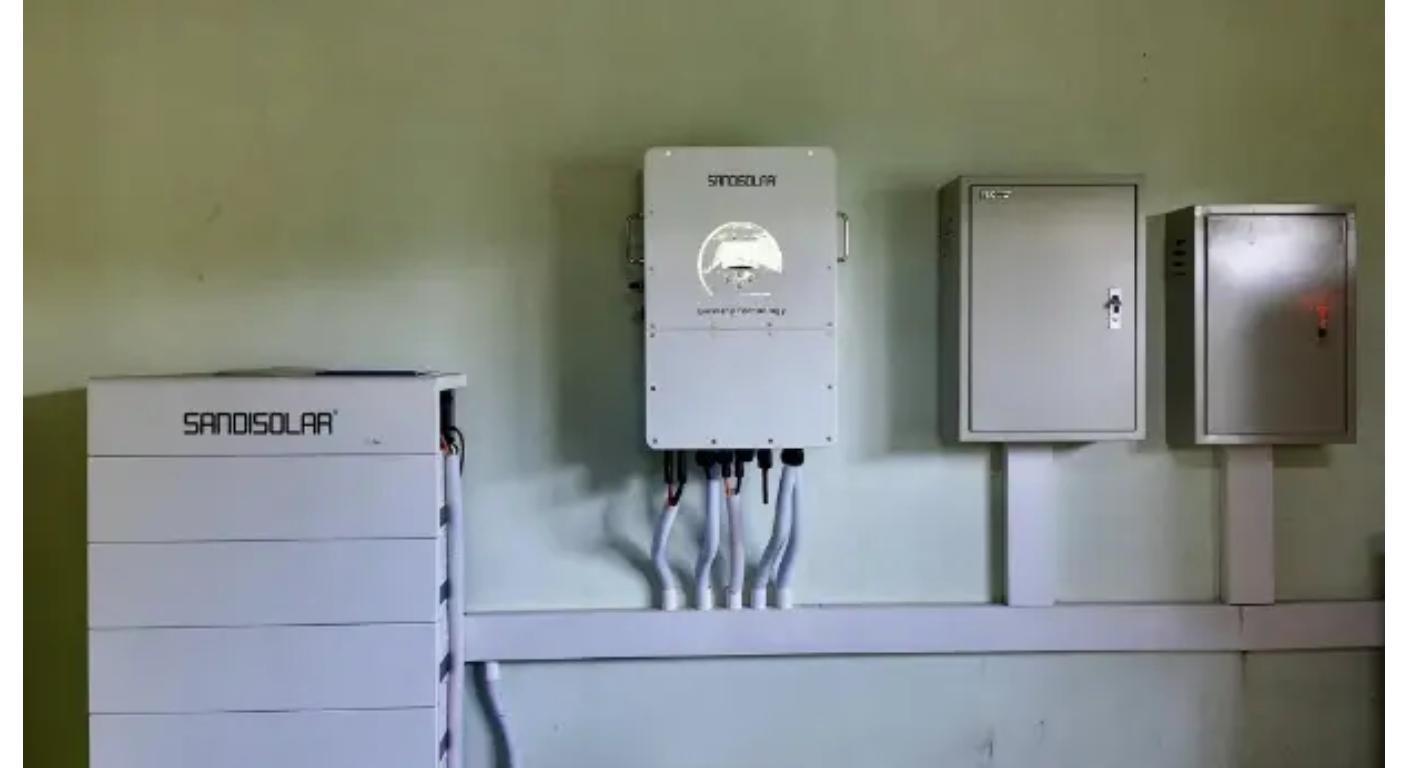
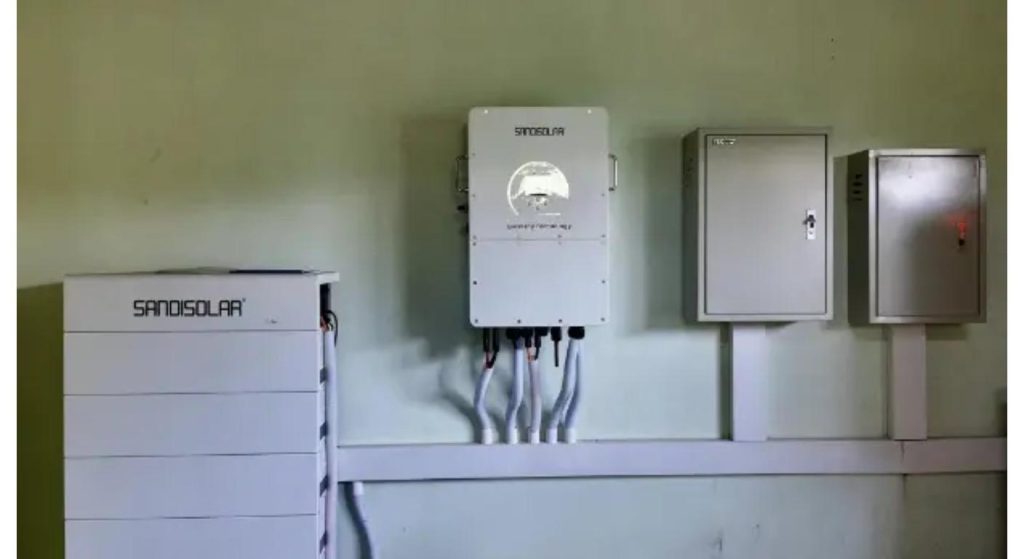
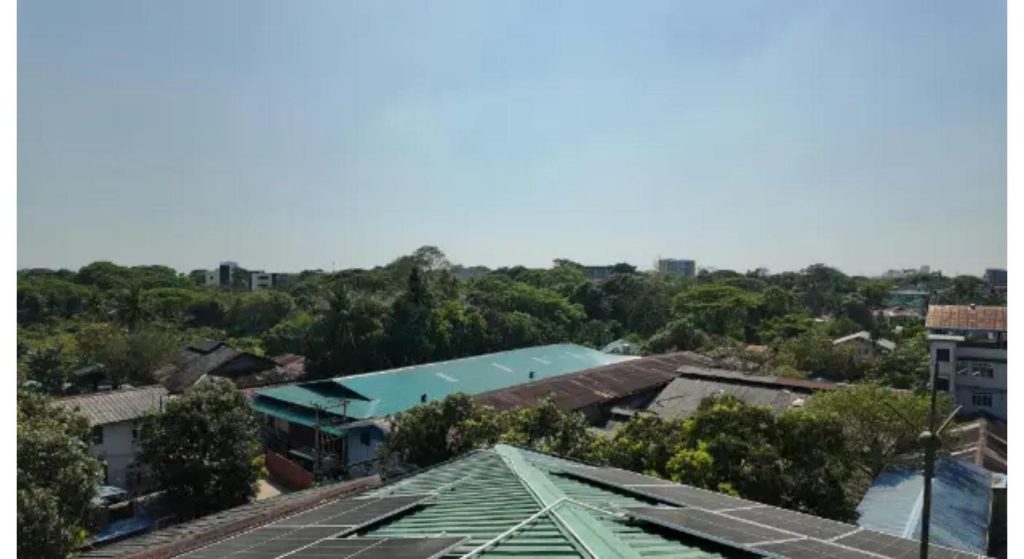
In Yangon, SANDISOLAR's printing and advertising factory project includes a 25kWp PV system, a 3-phase hybrid inverter with a capacity of 20kW and some 40kWh of battery storage. The case demonstrates how both solar generation and storage can be taken into account for an industrial user.
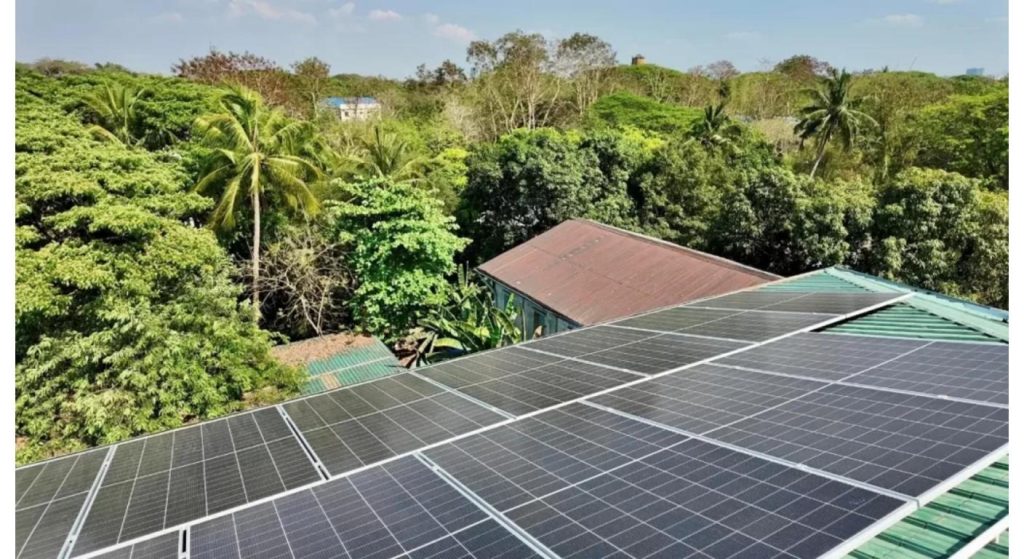
Those are just some numbers for one project. Depending on the load and site, the PV capacity, inverter, battery size or operating strategy may differ between the various facilities.
Заключение
The first step in C&I PV system design is to understand the electricity use and available site. Then the structural and/or land conditions, electrical connections, construction and maintenance requirements should be evaluated for rooftop and/or ground mounted.
The project team can determine if it is more suitable to use solar energy or solar and storage energy by having a clear operating objective.
FAQ
Q1. Would the economics be the same for rooftop solar as compared to ground-mounted solar?
Not necessarily. This comparison is subject to the roof condition, structural work, land preparation, cable routes, local building costs.
Q2. What is the size of a C&I PV system?
Load data, available space, expected generation and connection requirements are considered by project team. The final size will be determined by the business goals and location.
Q3. Is a battery necessary for ALL commercial solar projects?
No. When storage is used to meet an identified requirement, e.g. energy shifting, or backup loads.
Q4. Will a regular grid-tied PV system run in the event of a power failure?
Not necessarily. Backup operation must have compatible equipment and an isolation and load arrangement that is designed to suit the operation.
Q5. What should be included in a first proposal that a business would give?
Some good resources are electricity bills, interval load data (if available), site drawings, operating hours, and energy objectives.
Поделиться в соцсетях:


-
ПРЕВ:
Что такое C&I Soener? Руководство по коммерческим и промышленным солнечным системам и примеры
- ДАЛЕЕ: Не СЛЕДУЮЩИЙ.
Свяжитесь с нами
В этой статье
Связанные публикации
Проектирование солнечных панелей C&I: как планировать коммерческие солнечные панели на крыше и на земле
30 октября 2026 года
Что такое C&I Soener? Руководство по коммерческим и промышленным солнечным системам и примеры
29 октября 2026 года
Как стать дистрибьютором солнечных панелей SANDISOLAR в Польше и развивать свой бизнес по хранению
28 октября 2026 года