Что такое C&I Soener? Руководство по коммерческим и промышленным солнечным системам и примеры
От hqt
2026.10.29Связанные публикации
Проектирование солнечных панелей C&I: как планировать коммерческие солнечные панели на крыше и на земле
30 октября 2026 года
Что такое C&I Soener? Руководство по коммерческим и промышленным солнечным системам и примеры
29 октября 2026 года
Как стать дистрибьютором солнечных панелей SANDISOLAR в Польше и развивать свой бизнес по хранению
28 октября 2026 года
There could be a large factory, warehouse or commercial building that requires a lot of electricity during the day. A commercial and industrial solar system can provide power at the site and provide a portion of the load.
However, what is C&I solar and how does it differ from a residential solar system? The solution is in the nature of the customers, the size of the electric load and the project's design, based on enterprise operations.
So, what is C&I Solar?
C&I is a commercial and industrial. PV systems installed in non-residential buildings and structures, like factories, warehouses, retail centers, offices and logistics facilities, are called C&I solar.
These systems are used to generate electricity from the sun's energy and put it to use at the facility. The site can also export electricity to the grid, or import electricity from the grid, depending on the design and rules for local connections.
Typically, a C&I project is designed based on the building hours and electric consumption. A factory with a day load, versus a warehouse with a peak load during the evening hours, for instance, has a different load profile.
Objectives are not just to install as many panels as possible. A valuable system should meet the requirements of the site, electrical system and the energy objectives of the business.
How does a C&I Solar System work?
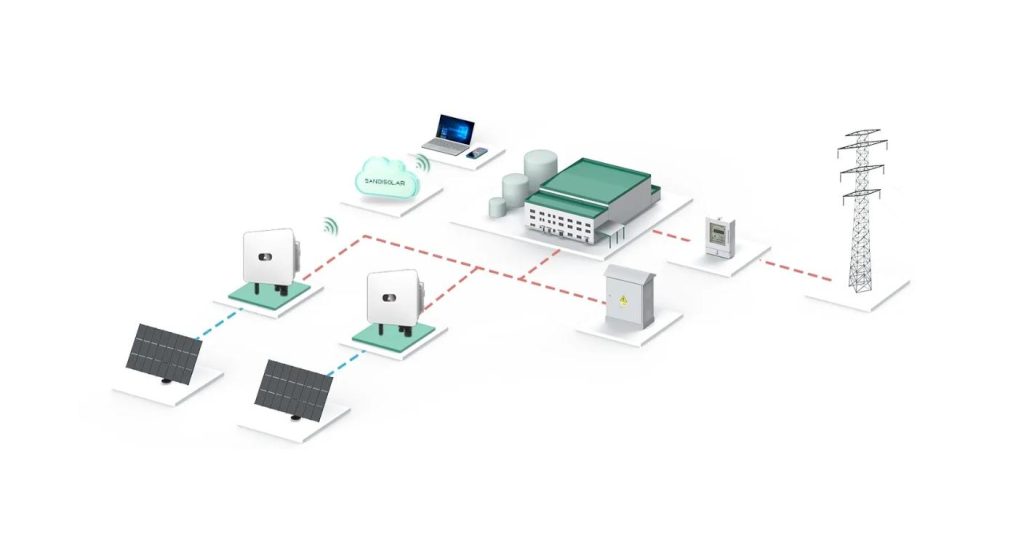
When sunlight strikes solar modules, they generate direct current (DC). An inverter is used to change the DC energy to AC energy, which can be utilized by the electrical equipment in the building.
Solar electricity generated during the day can be used at the site during the day. If produced power is less than the demand, the site could be connected to the grid and use the remaining electricity from the grid. If generation is greater than demand, the next step will depend on the system design, local rules and/or any export arrangement.
Monitoring equipment enables the operator to view generation status and the system. Also, there are some projects that implement energy management controls to manage the coordination of solar, battery storage, and site loads.
SANDISOLAR's commercial and industrial PV solution is the first to be implemented for commercial business facilities. Equipment and Operating Strategy should be determined as pertinent to each project.
What kind of gear will there be provided?
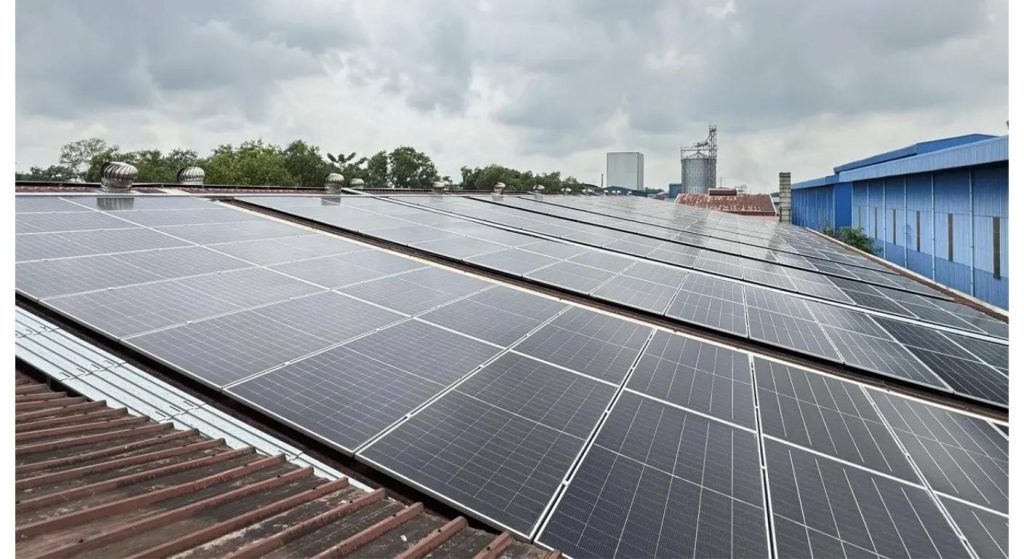
The components of a typical C&I solar system are the PV modules, mounting structures, inverter equipment, electrical protection, cabling and monitoring equipment. Specific components will vary depending on the site and type of system (grid connected, off-grid, or with storage).
Modules can be mounted on a commercial roof or on the appropriate ground space. The mounting structure should be designed to fit the site conditions and the type of module to be used.
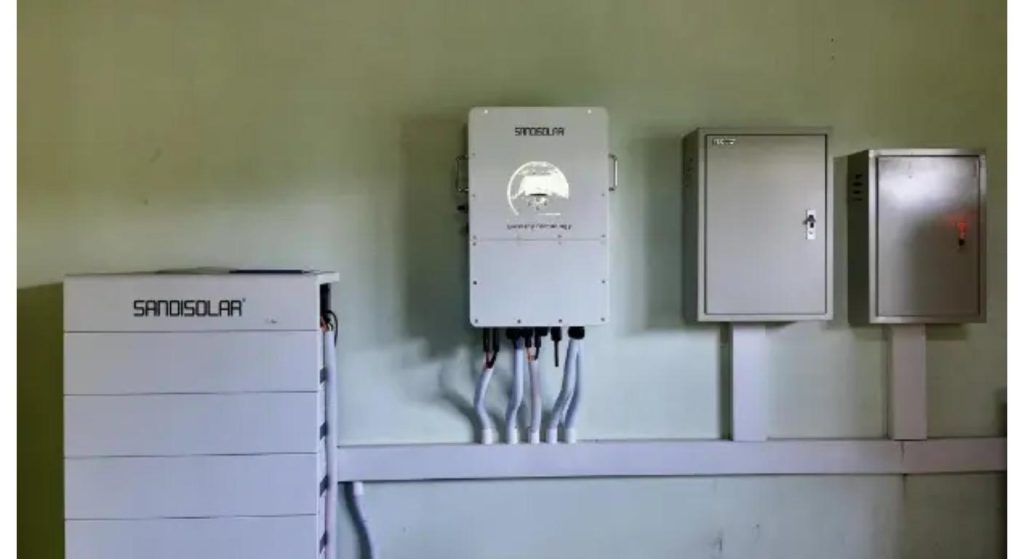
The inverter needs to be selected for the PV array and electrical application. The distribution equipment, connection point and protection requirements of the building are also factors for project teams to take into account.
It is not required, but you can use a battery energy storage system. It is another method of controlling electricity but also alters the equipment, controls, cost and installation. It should be based on the business's operating goals, and not assumed for each project.
The difference between C&I solar and home solar is not that they are different.
In both systems, the sun's energy is transformed into electricity via photovoltaic modules. Primary difference between them is the size of the project, the needs of the end user and electrical design.
Usually, a residential system is designed based on the roof, appliances, and electricity consumption of a family’s home. The requirements of a C&I system could include increased or different loads, multiple schedules of operation, and more complicated electrical systems.
Different decision makers also apply to a commercial site. The project can involve the building owner, operations team, finance team, installer, and the utility / network operator.
No one size fits all when it comes to C&Is. Equipment and project processes will vary between a small commercial workshop and a large industrial facility but both can benefit from C&I solar.
When does a Business need Battery Storage?
Solar only - only generates electricity when the sun is shining. Some of that energy can be stored in the battery for future use as a function of system design and operating conditions.
When a business wants to use more solar energy hours after the sun comes up, wants to keep electricity usage at a specific time, or wants to help specific loads during a downtime, storing electricity may be a consideration.
This backup is NOT automatic. It needs to be supported by compatible equipment, desired system configuration and a plan for the circuits/loads to be covered.
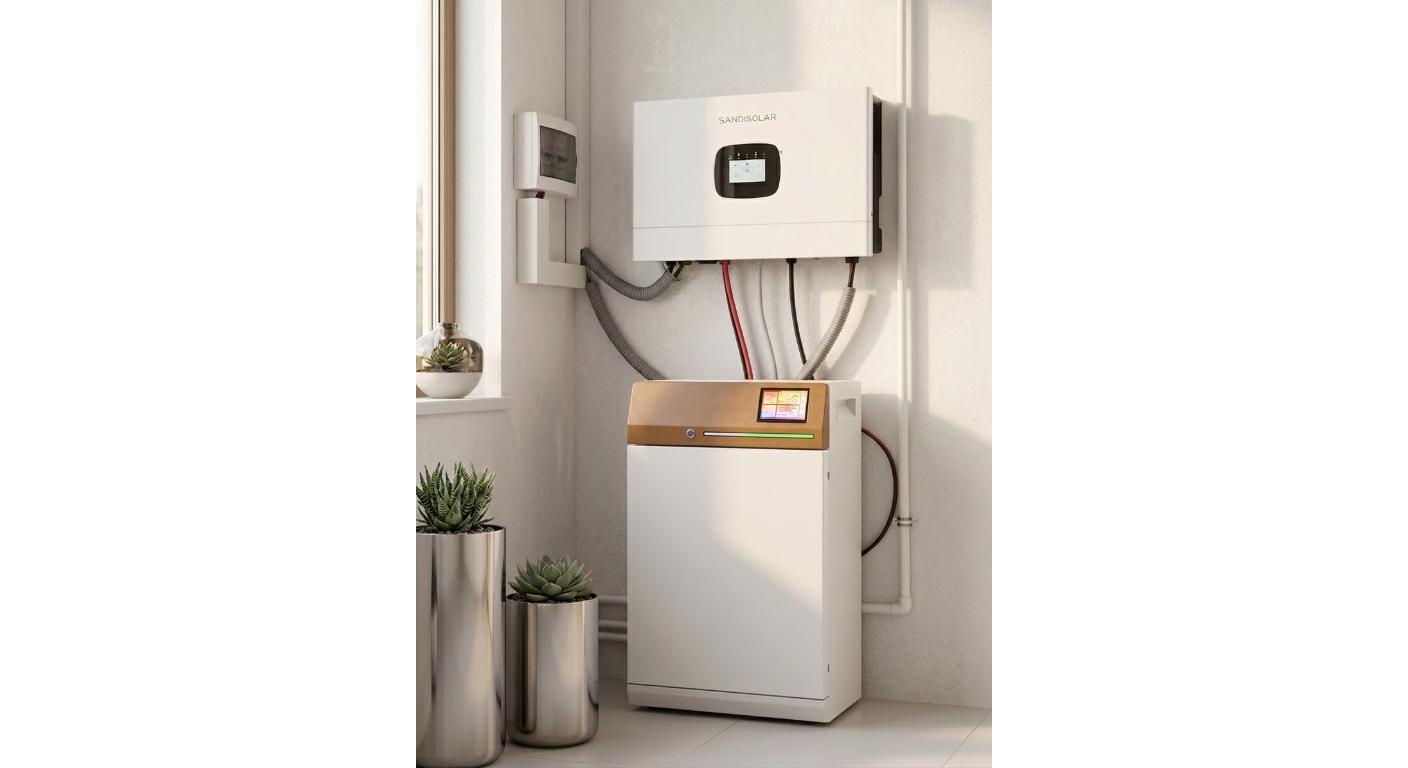
Системы хранения энергии with SANDISOLAR, like SD ESS-225kWh, SD ESS-125kW/225kWh. The project team should validate suitability and configuration of these examples of storage equipment for use in commercial applications.
C&I Solar Examples in Practice
A manufacturing plant can take advantage of solar power during the day when the manufacturing equipment is operating. Its project team can evaluate its day time load profile in relation to potential PV generation to determine the amount of solar power that can be used on location.
A warehouse can have a large roof and a low load on the roof during the day. Working hours, future demand, export conditions and site conditions are all factors and not all the same roof area corresponds to the same system size, as is the case with a factory.
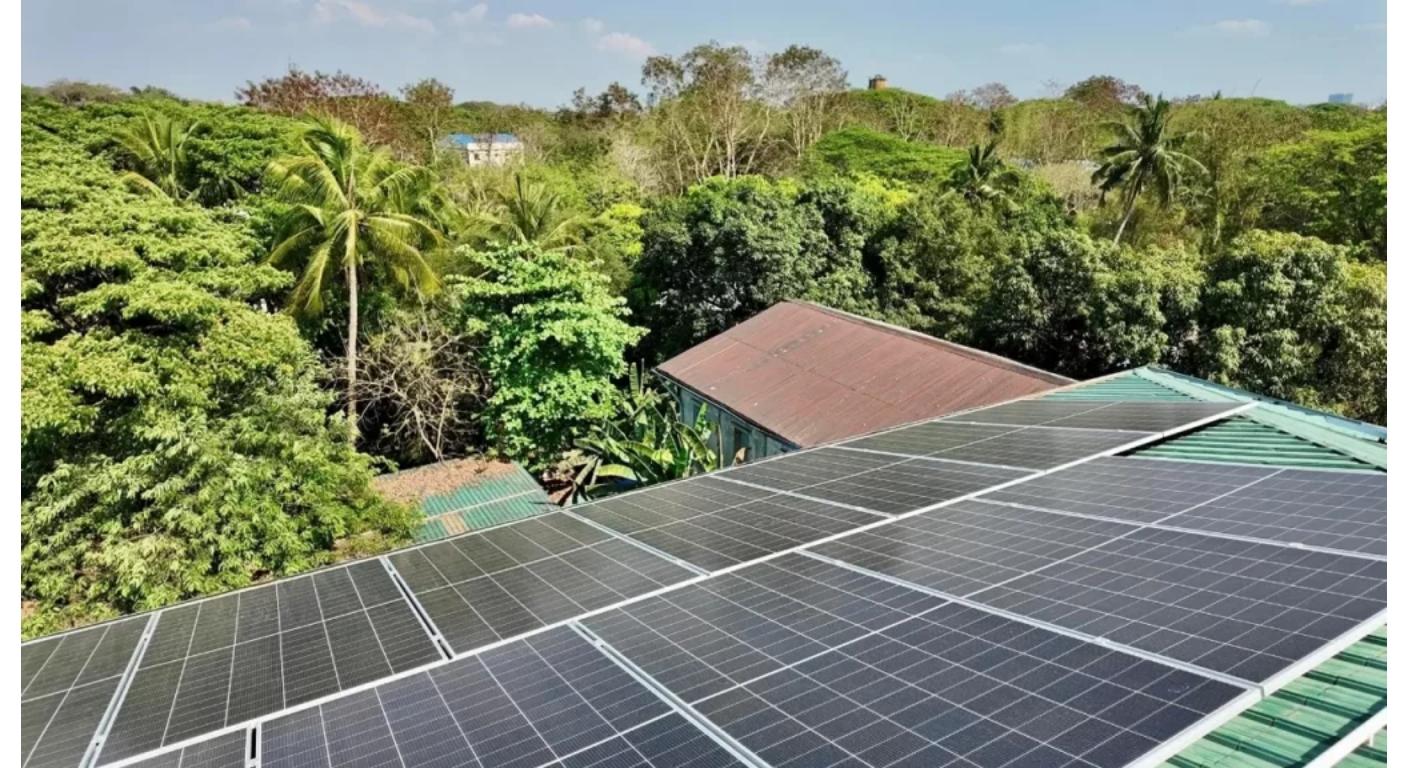
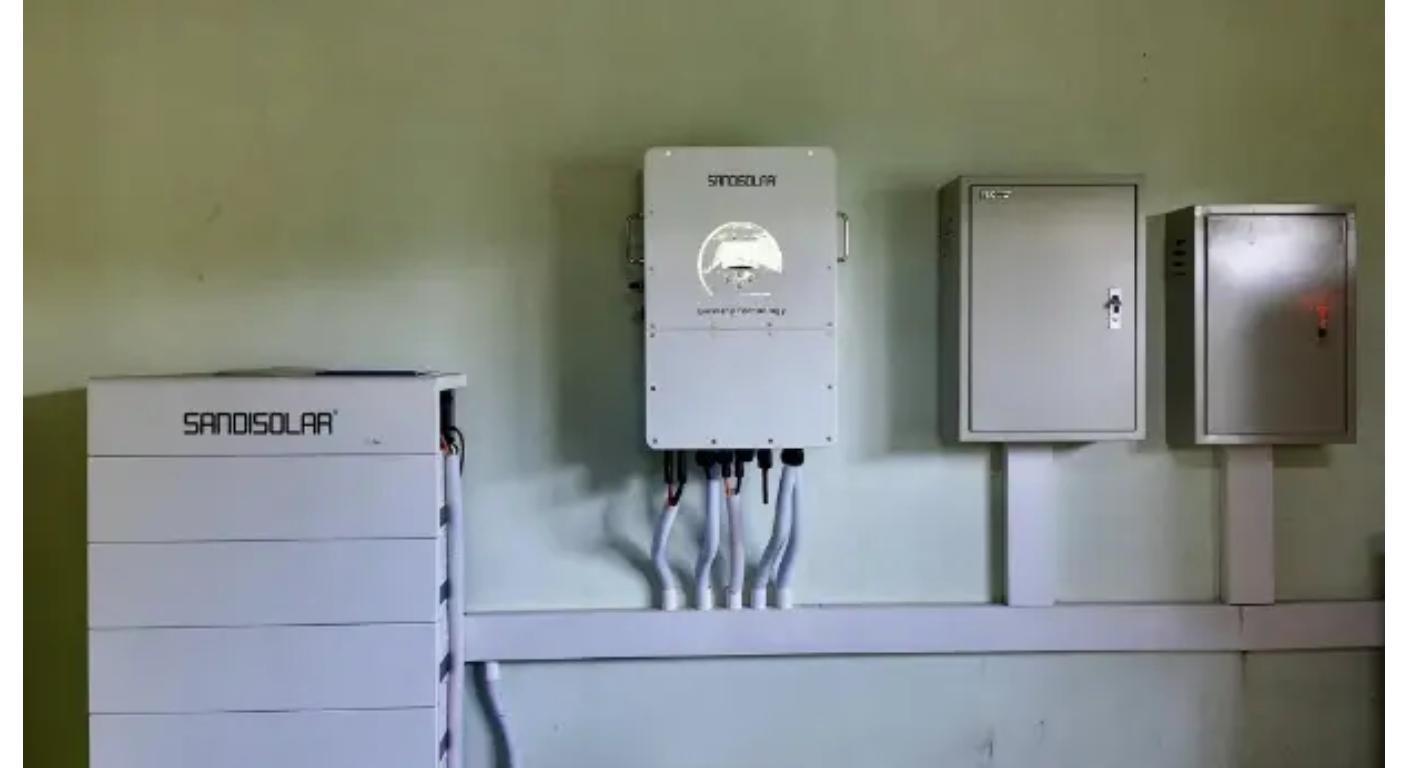
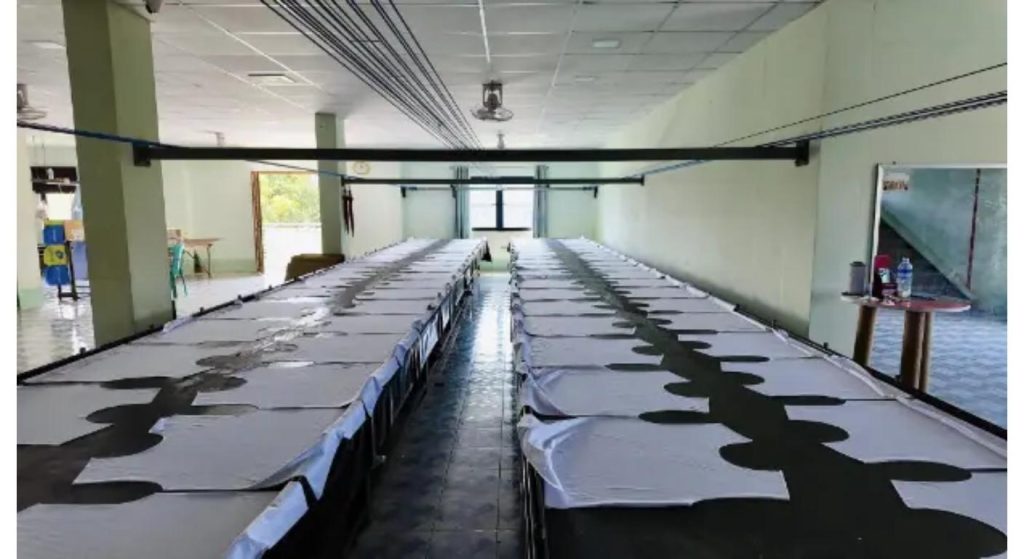
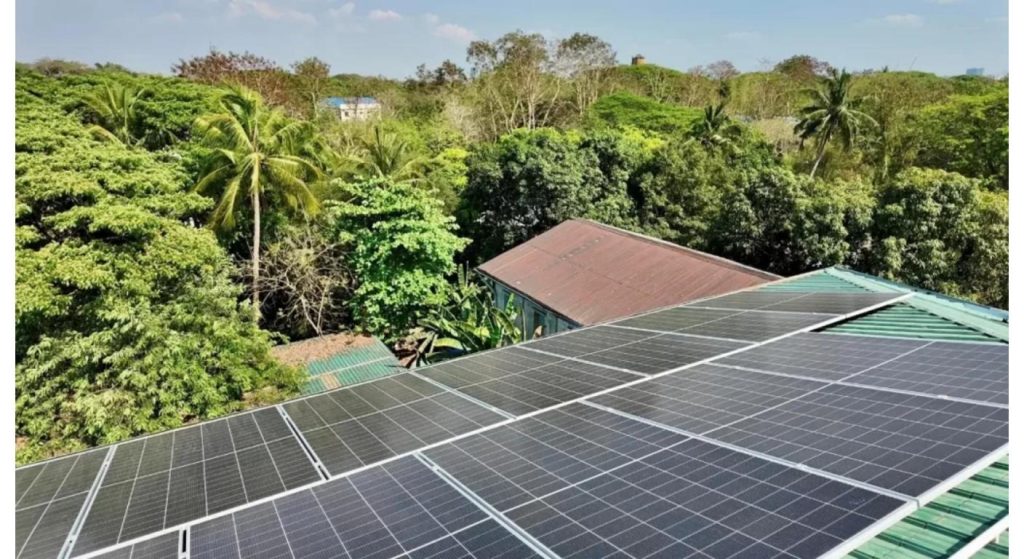
The SANDISOLAR project is a combination of solar projects for a printing and advertising factory in Yangon. Here, a 25kWp PV system, a 20kW three-phase hybrid inverter and around 40kWh of storage are described. It provides an example of solar and storage, but is not necessarily the recommended setup for all factories.
First What Needs to be considered in a Business?
Start with electricity bills and (where available) with interval electricity consumption data. These demonstrate electricity usage throughout the day and enable the project team to determine if electricity usage will coincide with solar generation.
Then inspect the roofscape or groundspace available, building condition, shading and the electrical infrastructure. Before a definite roof mounting design is determined, the roof might require a structural evaluation.
Also, the business should establish their priorities. The project options may vary depending on the reduction in purchased electricity, support of specific loads and to achieve sustainability goals.
Local approval, connections, installation, maintenance and operating conditions should all be covered in a technical review. This C&I energy storage solution from SANDISOLAR gives an overview of their commercial energy storage applications for businesses which are interested in solar energy storage together.
| Information | What to Prepare | Why It Helps |
| Electricity use | Bills and interval data, if available | Shows consumption patterns |
| Часы работы | Workdays, shifts and seasonal changes | Helps compare demand with solar generation |
| Available space | Roof or ground area and site drawings | Supports the initial site review |
| Building information | Roof age and structural records, if available | Helps identify further assessments |
| Energy objective | Self-consumption, backup or another goal | Guides system discussions |
| Existing equipment | PV, inverter, generator or battery details | Helps assess integration |
| Project contacts | Owner, technical and operations contacts | Clarifies who can answer site questions |
Заключение
Commercial \& Industrial solar is the application of PV systems for powering commercial and industrial buildings. It can be just solar generation or battery storage and other energy management equipment.
The first step in the right project is to determine the electric usage and site parameters of the business. It is helpful for the project team to consider those factors to select a system and expectations that are suitable.
FAQ
Q1. In solar, what is the meaning of C&I?
C&I stands for commercial & industrial. It is for non-residential facilities, such as businesses, using solar applications.
Q2. Is it always necessary to have a battery in a C&I solar system?
No. Depending on the site, the project objectives, the system can make use of solar generation without storage.
Q3. Can the C&I solar system be used as back-up power when the grid goes down?
It may if the equipment and electrical design allows for backup operation. The load that can be supported and the arrangement that the load will be operated should be determined ahead of time.
Q4. What are the potential installation sites for C&I solar panels?
Modules can be installed on an appropriate roof or ground surface. This will depend on site conditions, approvals and the design of the project.
Q5. What are the questions to ask prior to asking for a Proposal?
Some good initial questions to ask are: How much does electricity cost? When is it easiest to run electronics? How much space does it have available? What are the energy goals of the site? A detailed assessment can be provided with interval load data.


Свяжитесь с нами
В этой статье
Связанные публикации
Проектирование солнечных панелей C&I: как планировать коммерческие солнечные панели на крыше и на земле
30 октября 2026 года
Что такое C&I Soener? Руководство по коммерческим и промышленным солнечным системам и примеры
29 октября 2026 года
Как стать дистрибьютором солнечных панелей SANDISOLAR в Польше и развивать свой бизнес по хранению
28 октября 2026 года