
Автономный инвертор для дома: полное руководство для покупателя, советы по размеру и установке (2026)
От hqt
2026.06.18Связанные публикации
SANDISOLAR сотрудничает с Jinko Solar для реализации автономного проекта солнечной энергетики и хранения энергии мощностью 10,7 МВт
23 сентября 2026 года
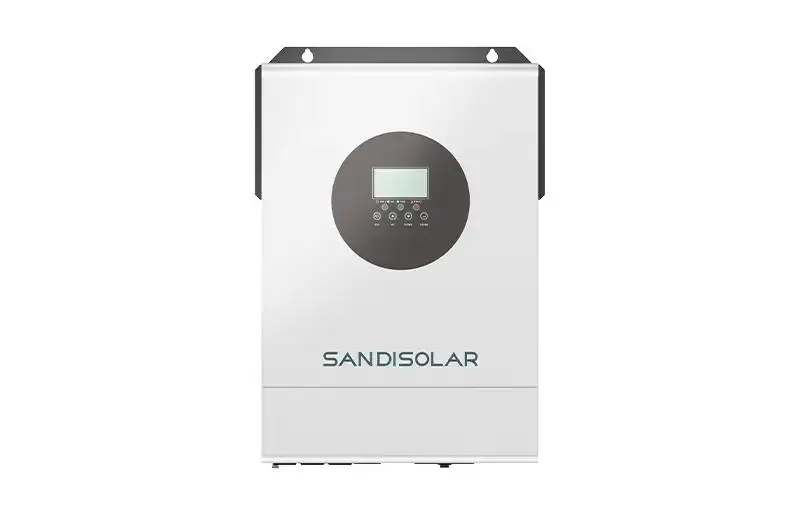
48V 6 кВт внесетевой инвертор: почему аккумуляторные системы 48V распространены для солнечных систем с высокой мощностью
31 августа 2026 года
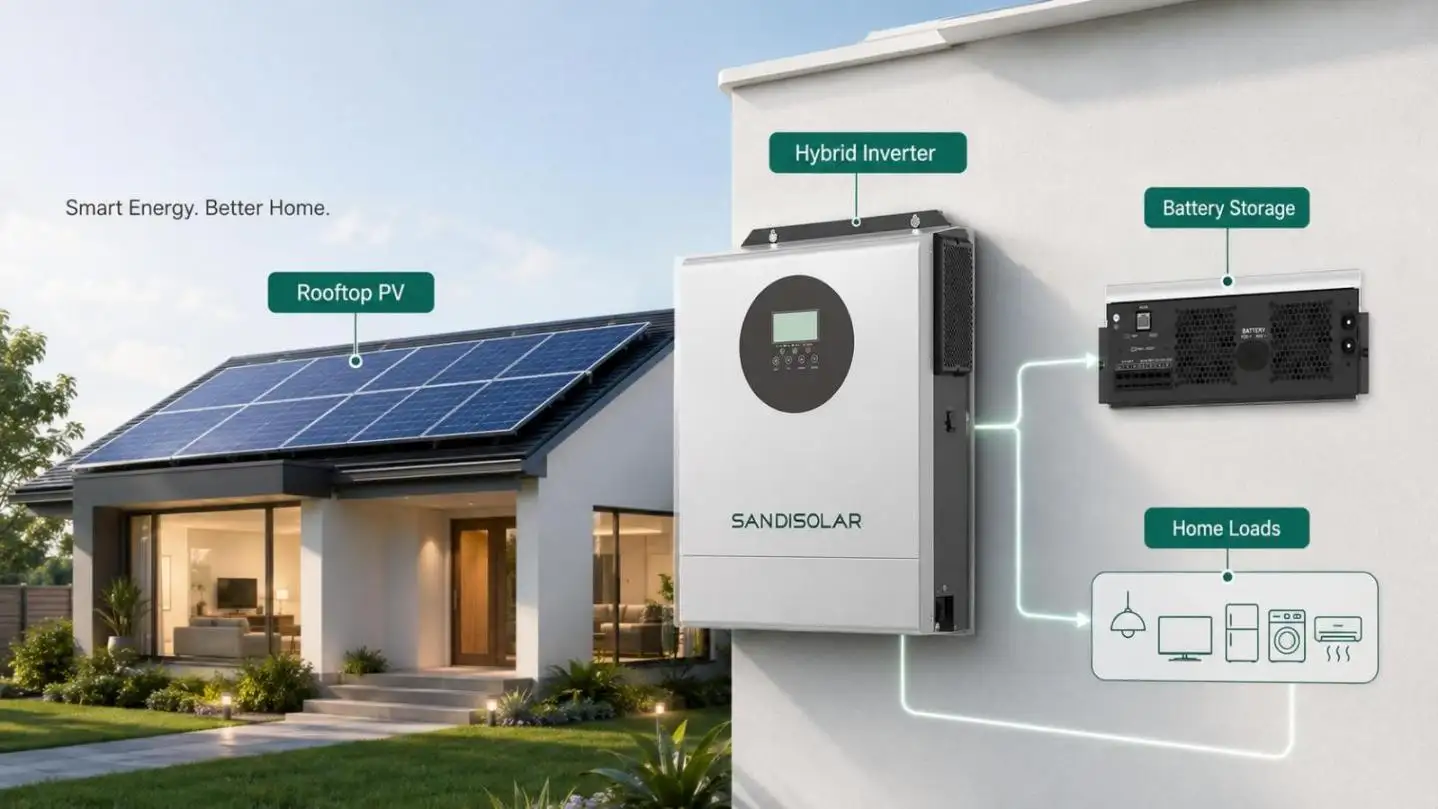
Установка солнечных систем в жилых помещениях: техническое руководство по размеру, подбору и установке систем
31 августа 2026 года
По мере того как всё больше домохозяйств стремятся к энергетической независимости, автономный инвертор перешёл из узких технологий в массовую. Снижение цен на солнечную энергию, улучшение аккумуляторного хранения и рост стоимости электроэнергии в сети заставляют домовладельцев рассматривать возможность полного или частичного автономного подключения.
В этом руководстве объясняется, что такое автономный инвертор, как он работает в домашней солнечной системе, на что обращать внимание при покупке в 2025 году и как безопасно подобрать размер и установку.
Что такое автономный инвертор для дома?
Внесетевой инвертор преобразует постоянное токовое электричество от солнечных панелей и аккумуляторов в переменный ток (переменный ток), которое может использовать бытовая техника. В отличие от инверторов, связанных с сеткой, внесетевые инверторы работают независимо от энергосети.
В типичной автономной солнечной системе:
- Солнечные панели генерируют постоянное питание.
- Контроллер солнечного заряда управляет зарядкой батарейного блока.
- Аккумуляторы накапливают энергию для использования ночью и в пасмурные периоды.
- Автономный инвертор преобразует выход постоянного тока аккумулятора в 220–240 В (или 110–120 В) переменного тока для бытовых нагрузок.
Автономный инвертор должен создавать стабильный источник питания переменного тока с нуля, включая напряжение и частоту. Он справляется с переменными нагрузками, резкими перенапряжениями при запуске и управлением аккумулятором без поддержки сети.
Современные автономные инверторы часто объединяют солнечный MPPT-контроллер, зарядное устройство и системный мониторинг в одном устройстве.
Почему автономные инверторы набирают популярность
Рост стоимости электроэнергии и надёжности сети
Тарифы на электроэнергию в сети выросли во многих регионах из-за колебания цен на топливо и стоимости инфраструктуры. Экстремальные погодные условия и нестабильность электросети вызывают частые отключения. Домовладельцы используют автономные инверторы, чтобы снизить счета за электроэнергию, защитить критически важные нагрузки, такие как холодильники и медицинские устройства, а также поддерживать электроснабжение во время отключений электричества.
Падение цен на солнечную панель и аккумуляторы
Цены на солнечные модули продолжают снижаться, в то время как литий-ионные аккумуляторы, включая LFP (литий-железофосфат), стали более доступными и доступными. Это делает автономные системы экономически выгодными для небольших домов и позволяет переходить от старых свинцово-кислотных систем к современным высокоэффективным решениям.
Поддержка политики
Правительства и регуляторы поощряют распределение возобновляемой энергии через налоговые льготы, поддержку электрификации сельских районов и обновленные электрические нормы для безопасных внесетевых установок.
Как включённый инвертор вписывается в домашнюю солнечную систему
Основные компоненты системы
- Солнечные панели: Преобразуйте солнечный свет в постоянное электричество.
- Контроллер солнечного заряда: Регулирует напряжение и ток, чтобы предотвратить перезарядку.
- Батарейный банк: Накапливает энергию. Распространённые типы включают свинцово-кислотные и литий-ионные (LiFePO4).
- Внесетевой инвертор: Преобразует постоянный ток из батареек в переменный для бытового использования. Обеспечивает стабильное напряжение и частоту, справляется с резкими нагрузками и защищает от перегрузок.
- Панель распределения: Инвертор подключается к домашней распределительной плате, питая цепи и розетки.
Дополнительные компоненты включают резервные генераторы, вход в сеть для гибридных систем и системы дистанционного мониторинга.
Типы внесетевых инверторов
Чистая синусоидоида против модифицированной синусоиды
Инверторы с чистой синусоидой выводит чистую, плавную форму переменного тока, похожую на электроэнергию. Они работают со всей современной техникой, включая чувствительную электронику, холодильники и компьютеры. Они эффективнее и тише, чем модифицированные синусоидальные блоки.
Модифицированные инверторы с синусоидой выводит ступенчатую форму волны. Они работают с простыми резистивными нагрузками, такими как лампы накаливания и обычные моторы, но могут вызывать жужжание или перегрев чувствительных устройств. Они в основном используются для небольших временных систем.
Для современных домов настоятельно рекомендуется использовать инвертор с чистой синусоидой из-за распространённости чувствительных устройств.
Инверторы с низкой частотой против высокочастотных
Низкочастотные инверторы Используйте большой трансформатор. Они хорошо справляются с сильными перегрузками, но при этом тяжелее, громоздче и дороже.
Высокочастотные инверторы Используйте передовую силовую электронику и меньшие трансформаторы. Современные конструкции компактны, эффективны и эффективно справляются с перенапряжениями.
Универсальные инверторы/зарядные устройства
Современные продукты объединяют инвертор, солнечный MPPT-контроллер, зарядное устройство для переменного тока, автоматический переключатель передачи и мониторинг в одном устройстве. Это упрощает установку, снижает количество компонентов и позволяет координировать управление солнечной, батарейной и резервной системой. Многие из них поддерживают как независимую работу вне сети, так и опциональное подключение к сетке.
Как подобрать размер автономного инвертора
Шаг 1: Перечислите свои грузы
Определите приборы, которые хотите питать:
- Основные нагрузки: освещение, холодильник, роутер, вентиляторы, медицинские устройства.
- Опциональные варианты: стиральная машина, телевизор, кухонная техника, электроинструменты.
Для каждого прибора указывайте номинальную мощность, типичные рабочие часы и пусковую мощность (для моторов и компрессоров).
Шаг 2: Рассчитать непрерывную мощность
Сложите мощность приборов, которые работают одновременно. Применяйте запас безопасности 20–30%.
Пример: холодильник (200 Вт), освещение (100 Вт), телевизор (150 Вт), вентиляторы (120 Вт), роутер (80 Вт) = 650 Вт. С отрывом в 30%: 845 Вт. Этим занимается инвертор мощностью 1 кВт; типичные семейные дома требуют от 3 до 10 кВт.
Шаг 3: Учтите перенапряжение
Двигатели и компрессоры потребляют в 2–4 раза больше номинальной мощности при запуске. Ваш инвертор должен справляться с такими короткими скачками без выключения и падения напряжения. Например, холодильник мощностью 200 Вт может увеличить мощность до 600–800 Вт. Ищите инверторы, указывающие способность к перенапряжению: например, мощность 2× номинальной мощности на 5 секунд или 3× на 2 секунды.
Шаг 4: Сопоставьте напряжение инвертора с батарейным банком
Офф-грид инверторы доступны для систем на 12 В, 24 В и 48 В. Для систем мощностью до 1–2 кВт используйте 12 В или 24 В. Для мощности 2–5 кВт предпочитайте 24 В или 48 В. Для систем мощностью более 5 кВт используйте 48 В. Более высокое напряжение уменьшает ток и размер кабеля, повышая эффективность и безопасность.
Ключевые особенности, на которые стоит обращать внимание
- Чистый синусоидальный выход для совместимости и защиты чувствительной электроники.
- Высокая эффективность (пик 90–95%) и низкое потребление в холостом ходу.
- Защитные особенности: Перегрузка, короткое замыкание, перегрев и защита от напряжения.
- Совместимость с батареями: Поддержка для свинцово-кислотных, GEL, AGM и литиевых химических производств.
- Мониторинг и подключение: Дисплей, Wi-Fi, мобильное приложение и ведение данных.
- Расширяемость: Параллельная работа, трёхфазная поддержка и интеграция с генераторами или входом в сеть.
Особенности установки
Местоположение
Установите инвертор в хорошо проветриваемом, сухом, свободном от пыли месте, вдали от прямого солнечного света и экстремальных температур. Поставьте его близко к батарейному блоку, соблюдая безопасные расстояния согласно правилам. Избегайте спален или жилых помещений из-за шума и необходимости вентиляции.
Проводка и безопасность
Используйте кабели постоянного тока и переменного тока соответствующего размера, исходя из тока и расстояния. Обеспечьте правильное заземление в соответствии с местными электрическими нормами. Установите автоматы постоянного тока и переменного тока для изоляции и защиты. Используйте чётко обозначенную проводку и поддерживайте чистую схему кабелей. Всегда нанимайте квалифицированного электрика для систем, подключённых к домашним распределительным щиткам.
Ввод в строй
Перед полной работой проверьте все соединения, проверьте полярность и напряжение аккумулятора, тестируйте нагрузки одну за другой и следите за параметрами инвертора. Планируйте периодические проверки технического обслуживания, особенно в пыльных или влажных условиях.
Выбор правильного инвертора: чек-лист
- Мощность соответствует или превышает рассчитанную нагрузку.
- Используйте подъёмную подачу мощности, подходящую для ваших приборов.
- Чистый выход синусоиды.
- Совместимо с вашим напряжением и химией аккумулятора.
- Есть солнечный MPPT, зарядное устройство для переменного тока и дисплей мониторинга при необходимости.
- Высокая эффективность и низкий расход без нагрузки.
- Защита от перегрузки, температуры и напряжения.
- Надежная гарантия и местная послепродажная поддержка.
Когда нанимать профессионала
Для большинства автономных проектов с критическими нагрузками или большими ёмкостями профессиональное проектирование приносит значительные преимущества: правильный размер инвертора, панелей и аккумуляторов; соблюдение электрических норм; оптимизированная планировка для повышения эффективности; и снижение риска сбоев системы.
Автономные инверторы в 2025 году
Автономные инверторы стали более доступными благодаря снижению стоимости солнечной энергии и аккумуляторов. Универсальные решения упрощают установку. Чистый выход синусоиды, высокая эффективность и умный мониторинг теперь стали стандартом. Оценивая нагрузку вашего дома, выбирая правильную мощность и обращая внимание на совместимость аккумуляторов, борьбу с перенапряжением и меры безопасности, вы сможете спроектировать систему, обеспечивающую энергонезависимость и устойчивость. Для домовладельцев в регионах с нестабильными сетями или удалённых объектов инвертор подходящего размера вне сети является практичной инвестицией.


Свяжитесь с нами
В этой статье
Связанные публикации
SANDISOLAR сотрудничает с Jinko Solar для реализации автономного проекта солнечной энергетики и хранения энергии мощностью 10,7 МВт
23 сентября 2026 года
48V 6 кВт внесетевой инвертор: почему аккумуляторные системы 48V распространены для солнечных систем с высокой мощностью
31 августа 2026 года
Установка солнечных систем в жилых помещениях: техническое руководство по размеру, подбору и установке систем
31 августа 2026 года